
-
Date
Friday, December 11 2026
-
Time
12:00pm - 1:00pm
-
Location
Webinar
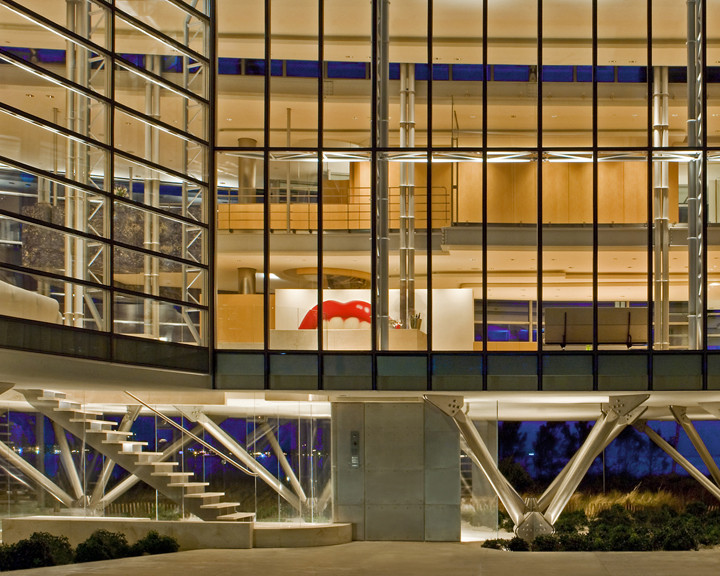
Photo Caption & Credit
Photo: William Zbaren and Krueck Sexton Partners
While traditional building codes focus strictly on life safety and collapse prevention, today's architects face a growing mandate: functional recovery–the building remains fully or close to fully functional during and after a hazard event. A building that survives a disaster but must be demolished a short time later due to structural racking or water damage is a failed investment. This course shifts the design paradigm from basic code compliance to comprehensive building and community preservation.
Through an exploration of natural hazard--wind, water, fire, and seismic events--participants will learn how material selection directly influences building durability and recovery. By analyzing real-world case studies, architects will understand how structural steel’s unique physical properties protect building infrastructure. Architects will gain actionable strategies for planning and designing resilient buildings using structural steel.
Learning Objective 1
Differentiate between traditional life-safety code compliance and emerging functional recovery goals, identifying how structural steel framing preserves building infrastructure, protects owner capital, and speeds post-disaster re-occupancy.
Learning Objective 2
Assess how structural steel responds under multiple types of natural hazards using case studies to inform resilient structural system selection.
Learning Objective 3
Evaluate design choices through the lenses of infrastructure, economic, social, health, and environmental resilience, recognizing how steel's characteristics support these frameworks.
Learning Objective 4
Understand how the sustainable characteristics of structural steel enhance a building’s environmental resilience and in turn the long-term resilience of the building.
Presenter Name
Larry Flynn
Presenter Bio
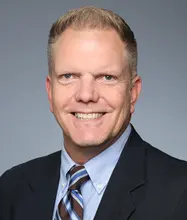
Larry brings 20 years of experience at the American Institute of Steel Construction (AISC) to his current role as Architectural Liaison and Resource Specialist. In this position, he equips architects with curated resources that save time, mitigate risk, and inspire innovative building designs. An award-winning industry journalist and a passionate advocate for resilient design, Larry also serves on multiple regional and national resilience committees.