
-
Date
Wednesday, February 18 2026
-
Time
6:00pm - 8:00pm
-
Location
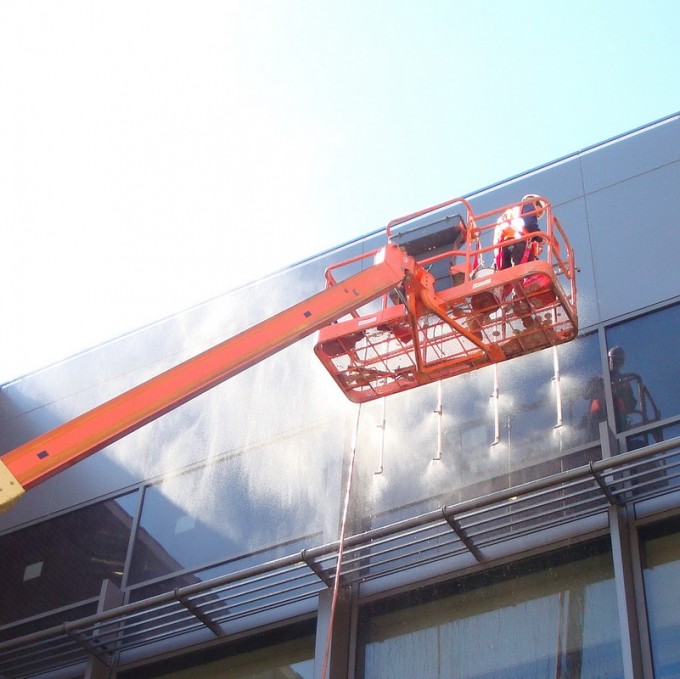
This session focuses on the Building Enclosure Commissioning requirements of the 2017 Washington, DC, Energy Conservation Code, providing architects with a structured framework for integrating BECx requirements within the Design Phase and Construction Administration project delivery.
The session begins with a review of current code requirements and testing protocols essential to compliance, highlighting their overlap with LEED v4.1 and v5 credits. Presenters will then demonstrate how a coordinated Test Summary Matrix document can be used to align enclosure performance tests with project schedules and responsibilities, thereby coordinating pre-construction mobilization.The course also introduces digital tools that streamline management of test data, checklists, and submittals, enhancing transparency between design teams, contractors, and commissioning providers.Through lessons learned from local case studies, attendees will see how embedding BECx into the design team’s routine Construction Administration improves risk management, documentation quality, and client satisfaction.
Time: 6pm-8pm (6-7 presentation, 7-8 networking hour)
We will provide food/drinks for the event.
Learning Objectives:
- Identify how Building Enclosure Commissioning (BECx) supports project teams to fulfill compliance requirements under the 2017 D.C. Energy conservation code.
- Identify how the BECx process fulfills LEED v4.1 and v5 commissioning prerequisites and credits.
- Outline how the commissioning process documentation standards such as Test Summary Matrix aid in pre-construction coordination and construction-phase monitoring and verification of enclosure testing fulfillment.
- Explain how digital tools track key commissioning performance indicators and how their integration into construction administration workflows improves quality assurance and team accountability.
Presented By:

John David Wagner, AIA, BECxP, CxA+BE
John Wagner is a licensed architect with more than a decade of experience advancing sustainable design in higher education, civic and cultural, and technology sectors. At Baumann Consulting, he leads the integration of resilient, high-performance design strategies into building enclosure consulting, helping project teams move beyond AIA 2030 Commitment targets toward enduring climate solutions in the built environment.
Before joining Baumann, John practiced with Bruner/Cott Architects, where he led adaptive reuse projects, and with Ellenzweig Architects, focusing on complex laboratory and life science facilities. Earlier in his career, he earned licensure while at Ann Beha (now Annum) Architects, where he contributed to the renovation and modernization of historic structures throughout New England. His past clients include MIT, Harvard University, Yale University, and Moderna, and he is currently leading Baumann’s enclosure commissioning of the James R. Thompson Center renovation in downtown Chicago, the future home of Google’s new Midwest headquarters.