
-
Date
Wednesday, April 29 2026
-
Time
6:00pm - 8:00pm
-
Location

Architecture has always been about people, yet the profession has often treated human experience as a byproduct of design rather than its driving force. This session moves beyond the buzzword of neuroarchitecture to explore what it actually means to design with the full complexity of human beings in mind: our neurology, our emotions, our need for belonging, and our capacity for joy.
Drawing on emerging research in neuroscience and evidence-based practice, speakers will examine how leading firms are integrating human-centered frameworks into their design processes, from programming and concept development through occupant experience. The conversation bridges academic research and real-world application, offering practitioners a roadmap for bringing science, strategy, and humanity back to the center of architectural practice.
Structure:
6:00 pm - Welcome
6:30-7:30 pm - Lecture & Q+A
7:30-8 pm - Reception
Learning Objectives:
- Identify key findings from neuroscience and behavioral research that directly inform architectural programming, spatial sequencing, and sensory design decisions that support occupant health, safety, and well-being.
- Analyze how design firms of varying scales are operationalizing human-centered research—from dedicated research branches to consultant-based models—and evaluate how these approaches can be integrated into professional practice to improve health, safety, and welfare outcomes in the built environment.
- Apply evidence-based principles from the WELL Building Standard and related frameworks to connect occupant health outcomes with specific architectural and environmental design strategies that enhance indoor environmental quality and occupant well-being.
- Analyze and apply methods to predict design outcomes early in the design process to inform decisions that enhance health, safety, and welfare (HSW) performance.
Presented by:
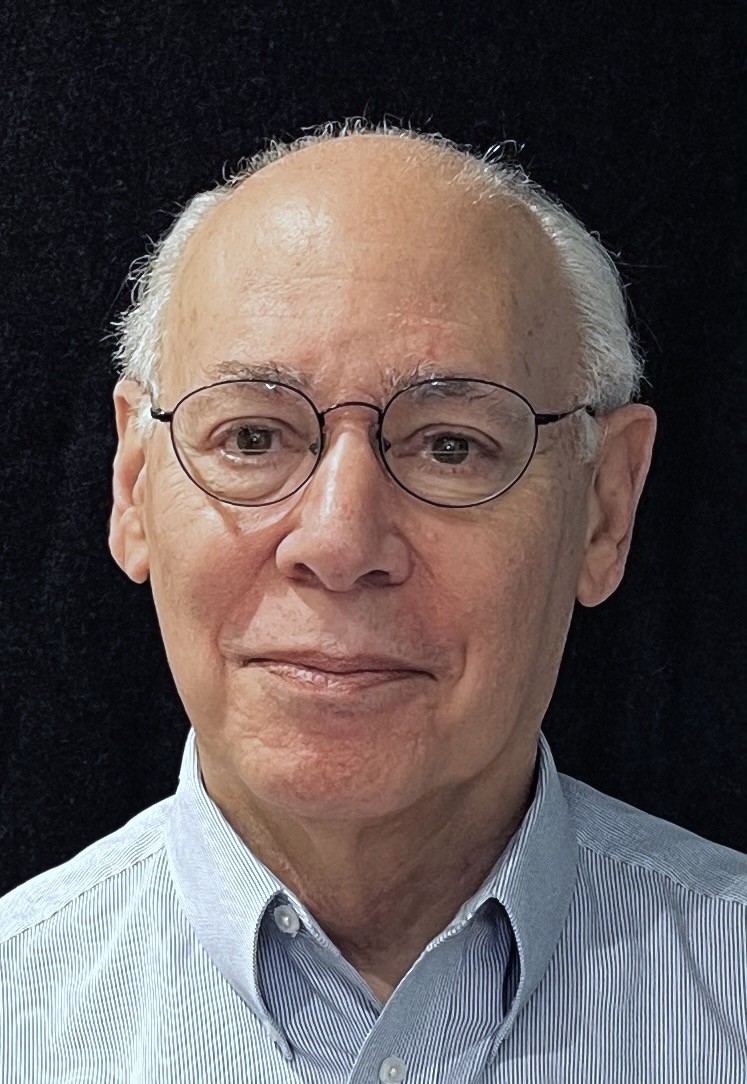
Milton Shinberg, AIA - has practiced as an architecture firm principal since 1975, following his graduation from Carnegie Mellon University. From 1995 to 2018, he was a principal of Shinberg Levinas Architects, whose award-winning work—including international projects—has been widely published.
He is the longest-serving faculty member at The Catholic University of America School of Architecture & Planning, where he has taught since 1978 and is an Adjunct Ordinary (full) Professor of Architecture. He received the Architect Educator Award from AIA|DC’s Washington Architectural Foundation in 2021 and Catholic University’s Outstanding Part-Time Educator Award in 2023.
His teaching focuses on the intersection of architecture, neuroscience, and art through his seminar Beauty & Brains. He serves on the Advisory Council of the Academy of Neuroscience for Architecture and the Advisory Board of the Johns Hopkins International Arts+Mind Lab.
His book, People-Centered Architecture: Design, Practice, and Education, was published by Wiley in May 2025.
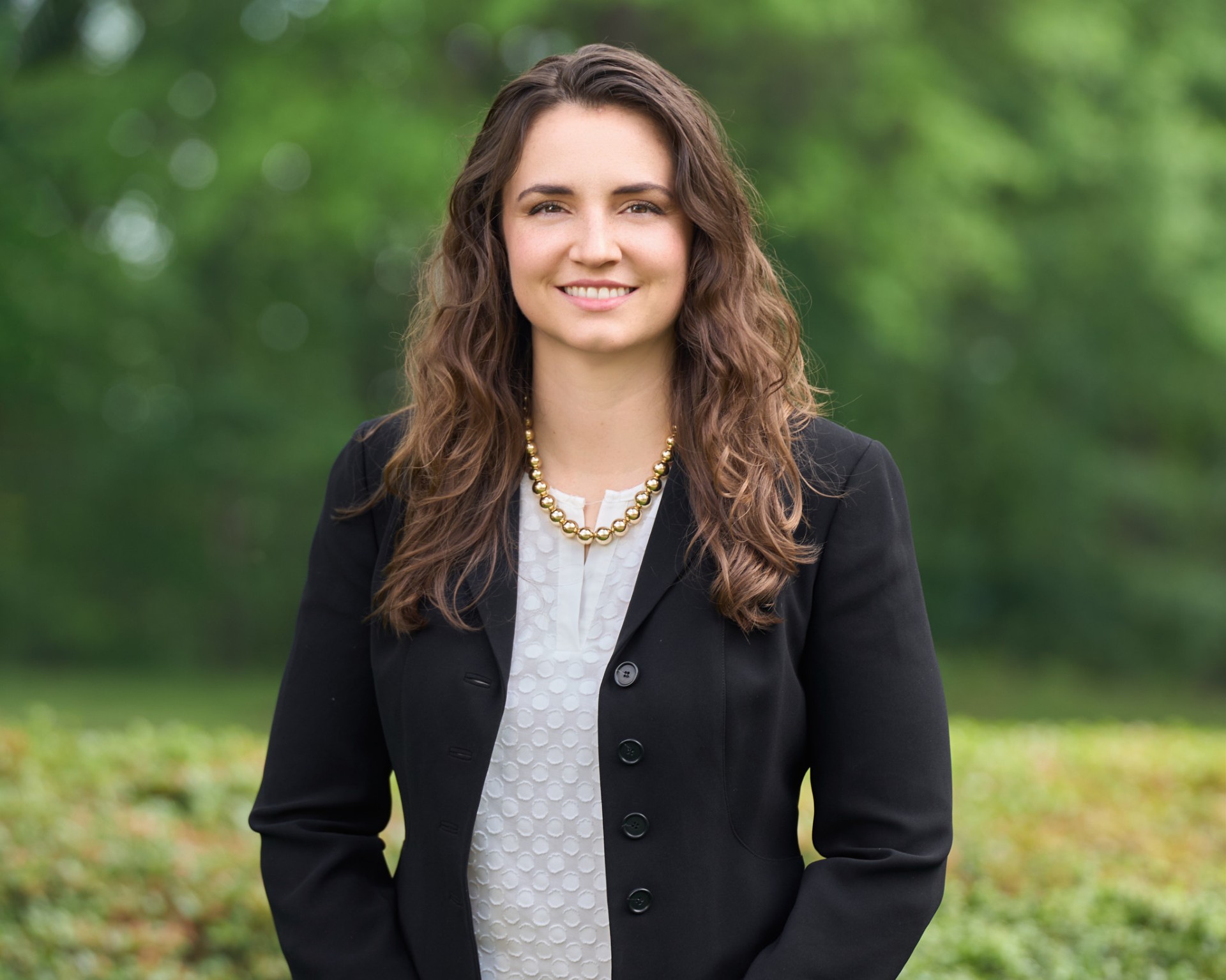
Laura Wake-Ramos, AIA, NCARB, DBIA is a Design Manager with Hensel Phelps in the Mid-Atlantic Region, bringing over ten years of experience across design and construction. She is a licensed architect in the District of Columbia and a certified Design-Build Professional.
Laura currently serves as a 2024–2026 At-Large Representative on the AIA Strategic Council, where she participates in the Neuroarchitecture Study Group, advancing research and dialogue at the intersection of neuroscience and the built environment. She previously served as Chair of the AIA Project Delivery Knowledge Community and continues to contribute to national leadership efforts across the profession. In addition, Laura serves as 2026 Secretary of the DBIA Mid-Atlantic Region and is a member of the DBIA National Project Awards Jury.
An experienced speaker, Laura has presented at numerous AIA and DBIA events on topics including project delivery, high-performing teams, and the role of technology in advancing design and construction. In addition, she is an active mentor with organizations such as DBIA, Arquitina, and the ACE Mentoring Program of America.
Laura holds a Bachelor of Architecture and a Bachelor of Arts in Communication Arts & Sciences from the Pennsylvania State University, as well as a Master’s in Real Estate Development from Georgetown University. Outside of her professional work, she enjoys spending time with family and friends, traveling, and staying active through yoga, triathlon, hiking, and gardening.