
-
Date
Tuesday, September 22 2026
-
Time
4:00pm - 5:30pm
-
Location
Zoom
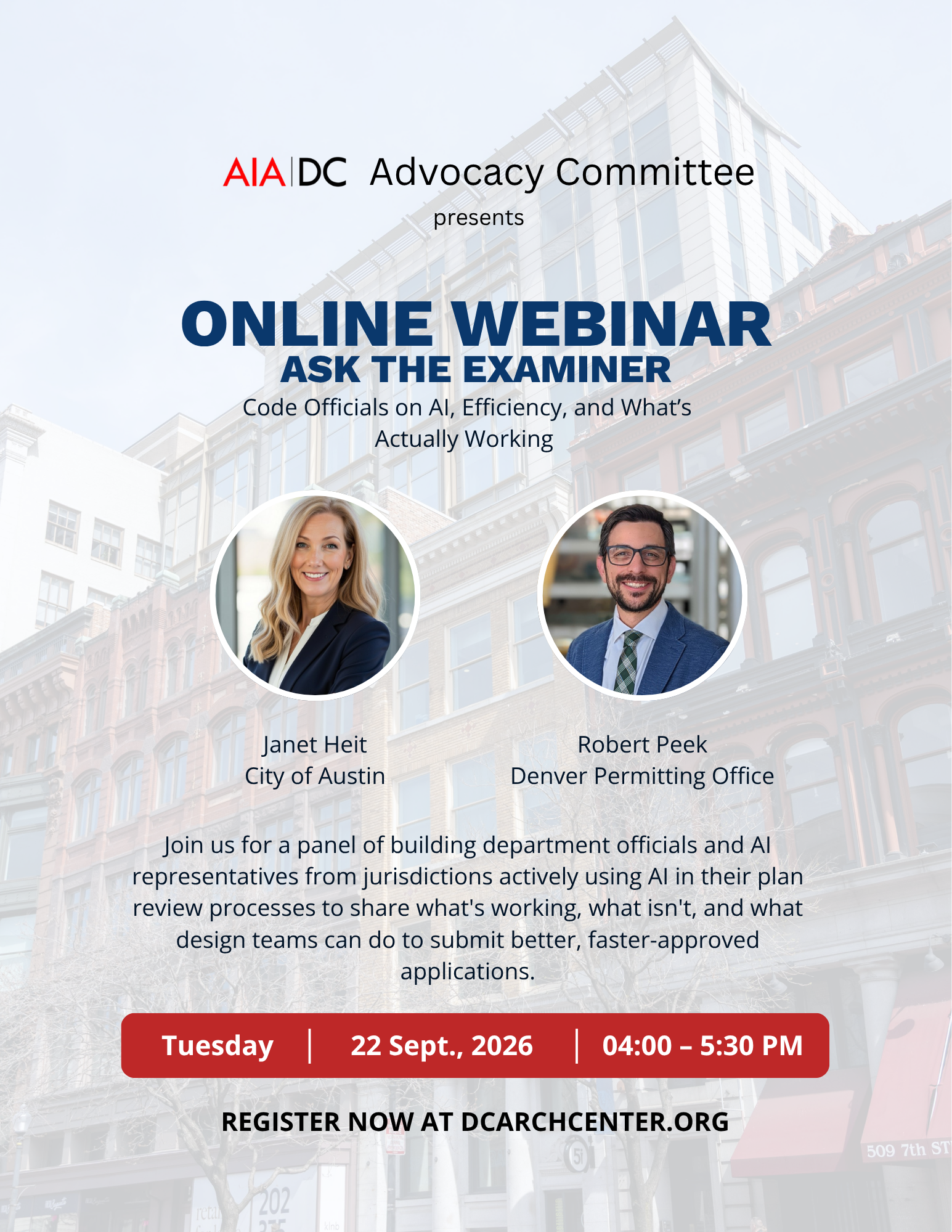
As AI-assisted plan review tools move from pilot programs to everyday practice, architects and design professionals are left wondering: what do code officials actually think? This candid panel brings together building department officials and AI representatives from jurisdictions actively using AI in their plan review processes to share what's working, what isn't, and what design teams can do to submit better, faster-approved applications. From automating completeness checks to flagging code conflicts before a set ever reaches a reviewer's desk, the conversation goes beyond the promises of AI technology to get real-world insight from the people on the other side of the counter.
Janet Heit is Chief Administrative Officer for the City of Austin's Development Services Department, where she leads the customer experience team, permitting intake, and the finance division, managing a $100 million annual budget. Under her leadership, the department cut permitting intake turnaround from 5–7 days to just one day through process redesign, digital forms, and data-driven staffing strategy. She also led the first U.S. implementation of Archistar, an AI-assisted plan review compliance tool, realizing a 50% reduction in zoning review time while improving consistency and accuracy. She brings a rare mix of operational discipline and design thinking to modernizing government services through technology.
Robert Peek is the Director of Development System Performance with the Denver Permitting Office. He previously held the same role within Denver’s Community Planning and Development Department, where his work was sponsored by the Mayor’s Office. Before that, Robert served as a Process Improvement Specialist with the City’s Peak Academy, focusing on streamlining city operations. Earlier in his career, he worked in advocacy and clean energy, including several years in operations at a home energy efficiency company.
Learning objectives:
Learning objective 1: Identify the AI-assisted plan review tools currently in active use across participating jurisdictions and describe how they integrate into existing permitting workflows.
Learning objective 2: Evaluate how AI adoption in plan review affects project timelines, reviewer workload, and approval predictability and set realistic expectations when advising clients on permitting schedules.
Learning objective 3: Articulate the policy, equity, and accountability considerations that code officials weigh when implementing AI tools, informing architects' engagement in local advocacy and permitting reform efforts.
Learning objective 4: Discuss the advocacy and engagement strategies that drove each agency to begin implementing AI tools